
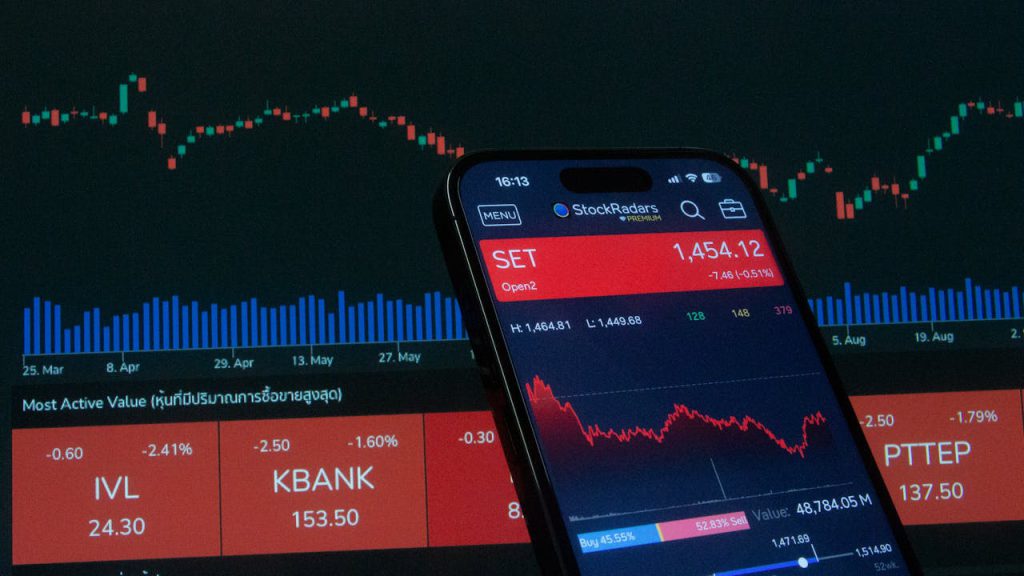
Periods of market volatility can feel uncomfortable for even the most experienced investors. Headlines become increasingly dramatic, economic uncertainty dominates the news cycle, and short-term market declines can naturally create concern about the future.
However, volatility is a normal part of investing. Markets rise and fall over time, often reacting to political events, economic data, inflation concerns, interest rate changes, and global uncertainty. While short-term fluctuations can feel unsettling, long-term investment success is rarely built by reacting emotionally to temporary market movements.
At Geoff Butterworth, one of the most important aspects of financial planning is helping clients maintain perspective during uncertain periods and remain focused on long-term objectives rather than short-term noise.
Volatility Is a Natural Part of Investing
Investment markets have always experienced periods of uncertainty. Economic cycles, geopolitical events, and changing investor sentiment all contribute to market fluctuations.
While downturns may feel alarming in the moment, history consistently demonstrates that markets move through cycles. Periods of decline are often followed by recovery and long-term growth over time.
Attempting to avoid every market fall is extremely difficult, even for professional investors. In many cases, some of the strongest market recoveries occur shortly after periods of significant decline. Missing these recovery periods can have a substantial impact on long-term investment performance.
Understanding that volatility is expected rather than exceptional can help reduce emotional decision-making during uncertain times.
Emotional Decisions Can Be Costly
One of the greatest risks during volatile markets is investor behaviour. Fear and uncertainty can lead individuals to make reactive decisions that may undermine long-term financial goals.
Common emotional reactions include:
- Selling investments during market declines
- Attempting to time market recoveries
- Moving excessively into cash
- Chasing short-term trends or headlines
- Frequently changing investment strategies
These decisions are often driven by emotion rather than long-term financial planning.
Successful investing typically relies on discipline, patience, and consistency rather than attempting to predict short-term market movements.
Focus on Long-Term Objectives
Investment strategies should be built around long-term financial goals rather than temporary market conditions.
Whether investing for retirement, wealth accumulation, or future family planning, most financial objectives are measured over years or decades rather than weeks or months.
During volatile periods, it is often helpful to revisit the original purpose behind your investment strategy, including:
- Your investment timeframe
- Income requirements
- Long-term growth objectives
- Attitude to investment risk
- Overall financial plan
A properly structured investment portfolio is generally designed with periods of market volatility already in mind.
Diversification Matters
Diversification remains one of the most important principles of long-term investing. Spreading investments across different asset classes, sectors, and geographical regions can help reduce reliance on any single area of the market.
A diversified portfolio may include exposure to:
- Equities
- Bonds
- Property investments
- Cash reserves
- International markets
- Alternative assets
While diversification cannot eliminate investment risk entirely, it can help reduce the impact of severe volatility within individual sectors or regions.
Maintaining a balanced portfolio often provides greater resilience during uncertain market conditions.
Avoid Constant Monitoring
During periods of heightened volatility, constantly checking investment values can increase anxiety and encourage short-term thinking.
Modern technology provides instant access to investment performance, financial news, and market commentary, but excessive monitoring rarely improves long-term outcomes.
Financial markets can move sharply in both directions over very short periods. Focusing too heavily on daily fluctuations may distract from the broader long-term strategy.
Instead, investors are often better served by maintaining regular reviews within the context of their overall financial plan rather than reacting to short-term market movements.
Volatility Can Create Opportunity
While market downturns can feel uncomfortable, they may also create long-term investment opportunities.
Periods of lower market valuations can allow disciplined investors to:
- Continue investing at lower prices
- Rebalance portfolios effectively
- Benefit from long-term market recovery
- Maintain consistent contribution strategies
For long-term investors, volatility is not always purely negative. Remaining patient and disciplined during uncertain periods can often support stronger long-term outcomes.
The Importance of Financial Planning
A well-structured financial plan provides stability during uncertain times. Investors who understand their strategy, risk level, and long-term objectives are often better positioned to remain calm during periods of volatility.
Regular reviews and ongoing guidance help ensure:
- Investment strategies remain appropriate
- Portfolios continue aligning with objectives
- Risk exposure remains suitable
- Financial decisions stay disciplined and informed
Strong financial planning helps create confidence when markets become uncertain.
At Geoff Butterworth, investment advice is built around long-term thinking, careful planning, and disciplined decision-making. While market volatility can never be entirely avoided, maintaining perspective and focusing on long-term financial objectives can help investors navigate uncertainty with greater confidence and clarity.